Full-Stack Product Engineer · Available Worldwide
I build systems thatmake businesses earn more.
Storefronts, booking platforms, automation flows, and data tools — engineered to look premium, convert better, and scale without drama. PhD-level technical depth where it matters. If your digital presence isn't pulling its weight, that's the problem I fix.
Featured Work
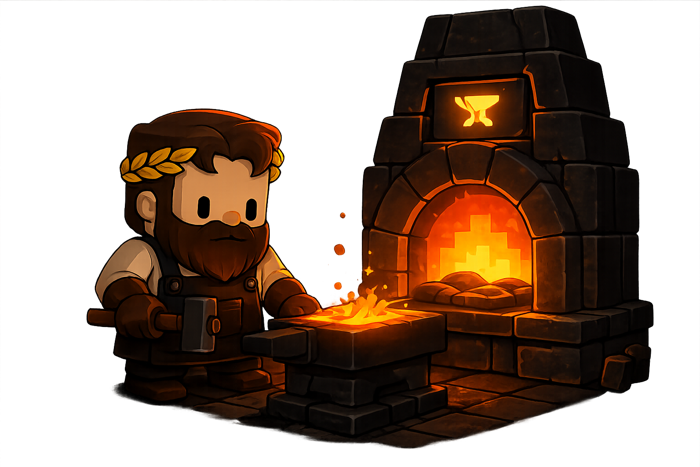
HaloEffect — a Shopify alternative you actually own.
A full-stack storefront framework built for businesses that don't want to pay Shopify's rent forever. Custom frontend templates, MercadoPago payments, cart and checkout — deployed and yours. Two clients already running on it.
Featured Work
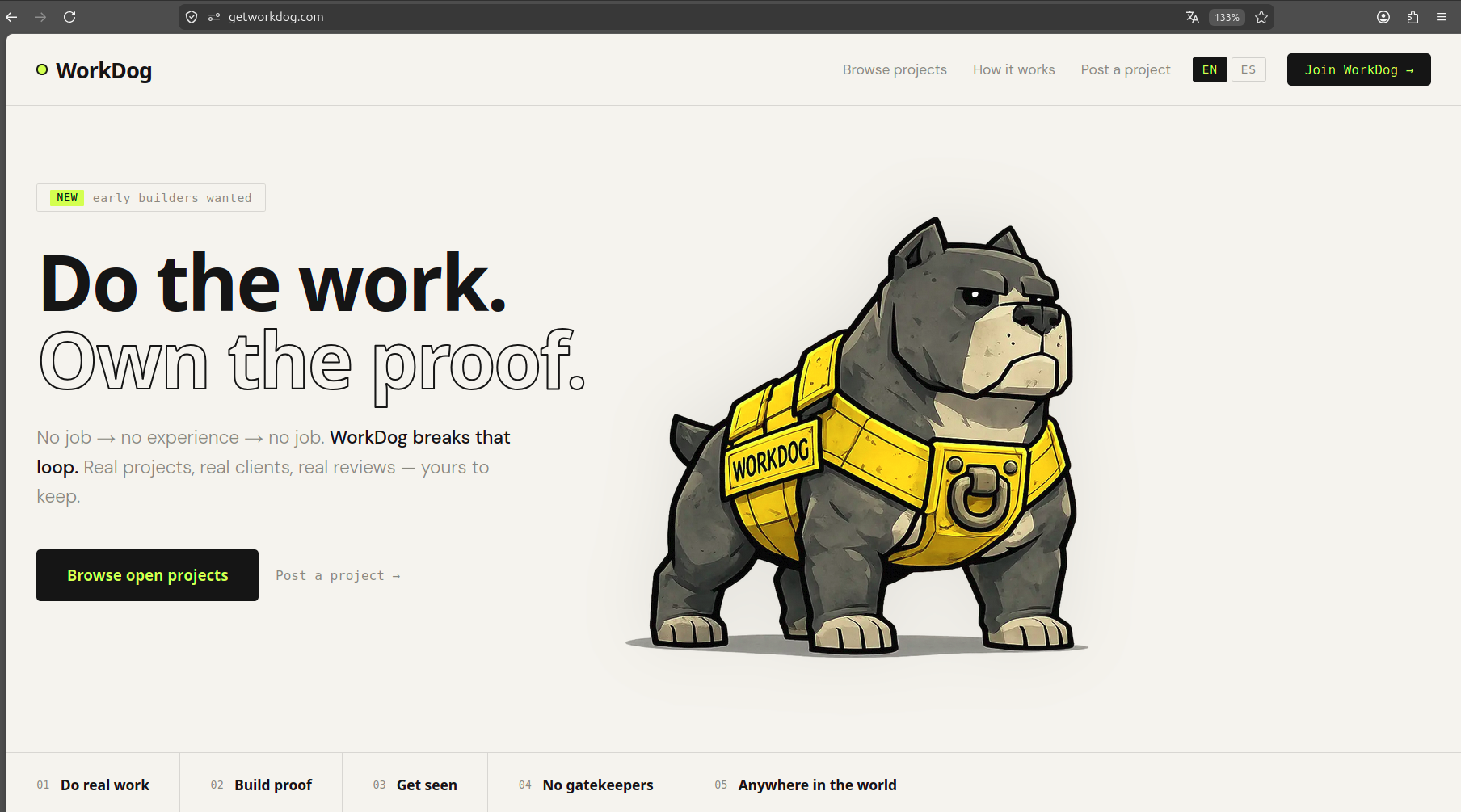
WorkDog — real work for people getting started.
A two-sided platform: small businesses and individuals post real projects, and early-career people — especially those in ML, deep learning, and computer work being left out by current tech trends — take them on for experience and a verifiable reputation. No salary required. Just proof of work.
This is two. There are more.
Storefronts, platforms, tools, games — all built and shipped.
Engineered experiences
Games as proof of engineering depth.
These aren't side projects — they're interactive systems. Custom physics engines, modular component architecture, WebGL render loops, and game state machines, all written from scratch. If you can ship something this complex for fun, you can ship anything.
Kodomata World
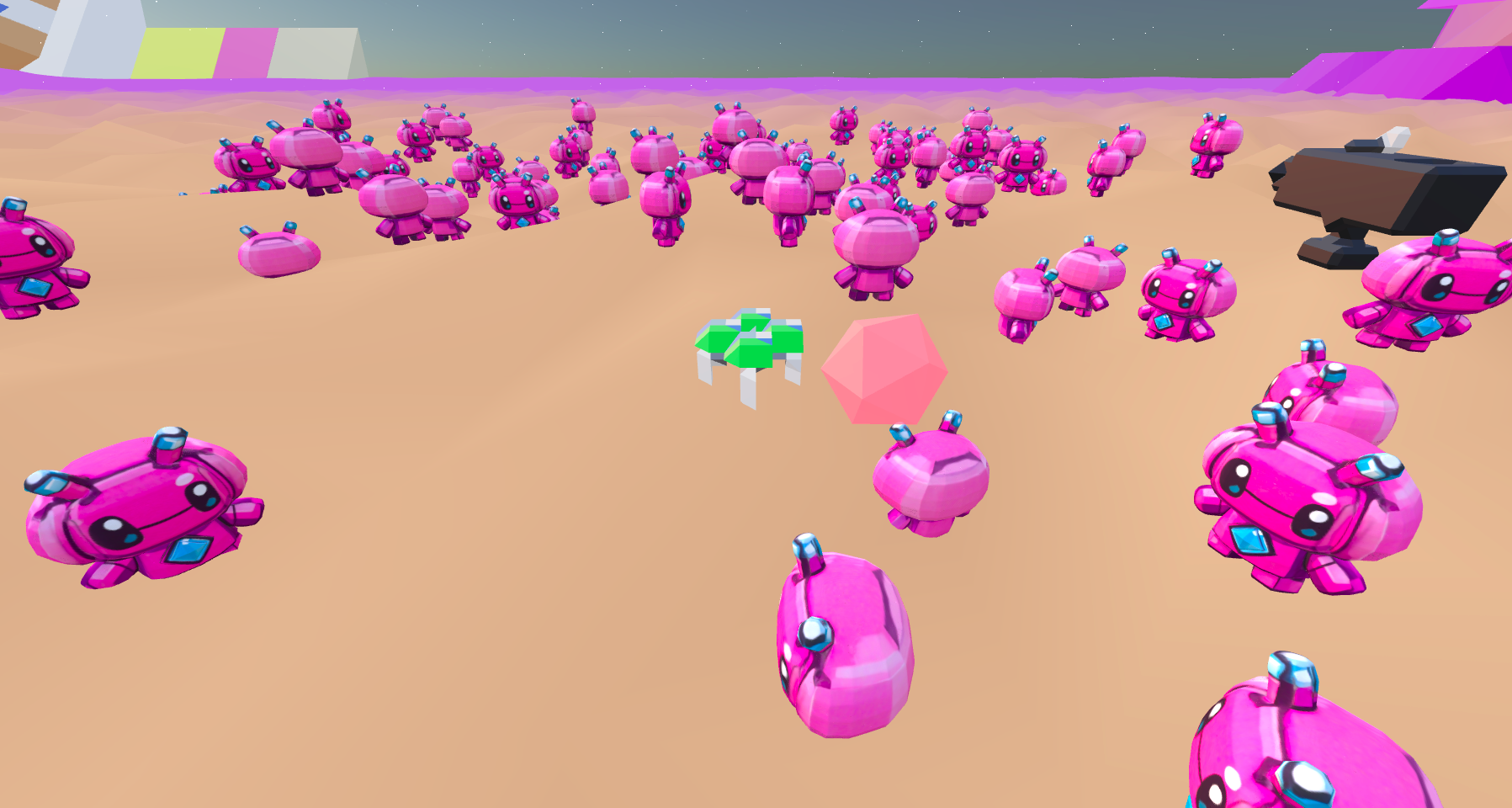
A living world of emergent alien automata. Each agent follows dead-simple local rules — no central controller — and complex flock behavior emerges at scale. 10 000+ agents, WebGL instancing, running entirely in the browser.
- —Each agent runs an independent rule-set — no central controller
- —Emergent flock behavior from local neighbor constraints only
- —10 000+ agents rendered at 60 fps via instanced WebGL meshes
The Fractal Prince
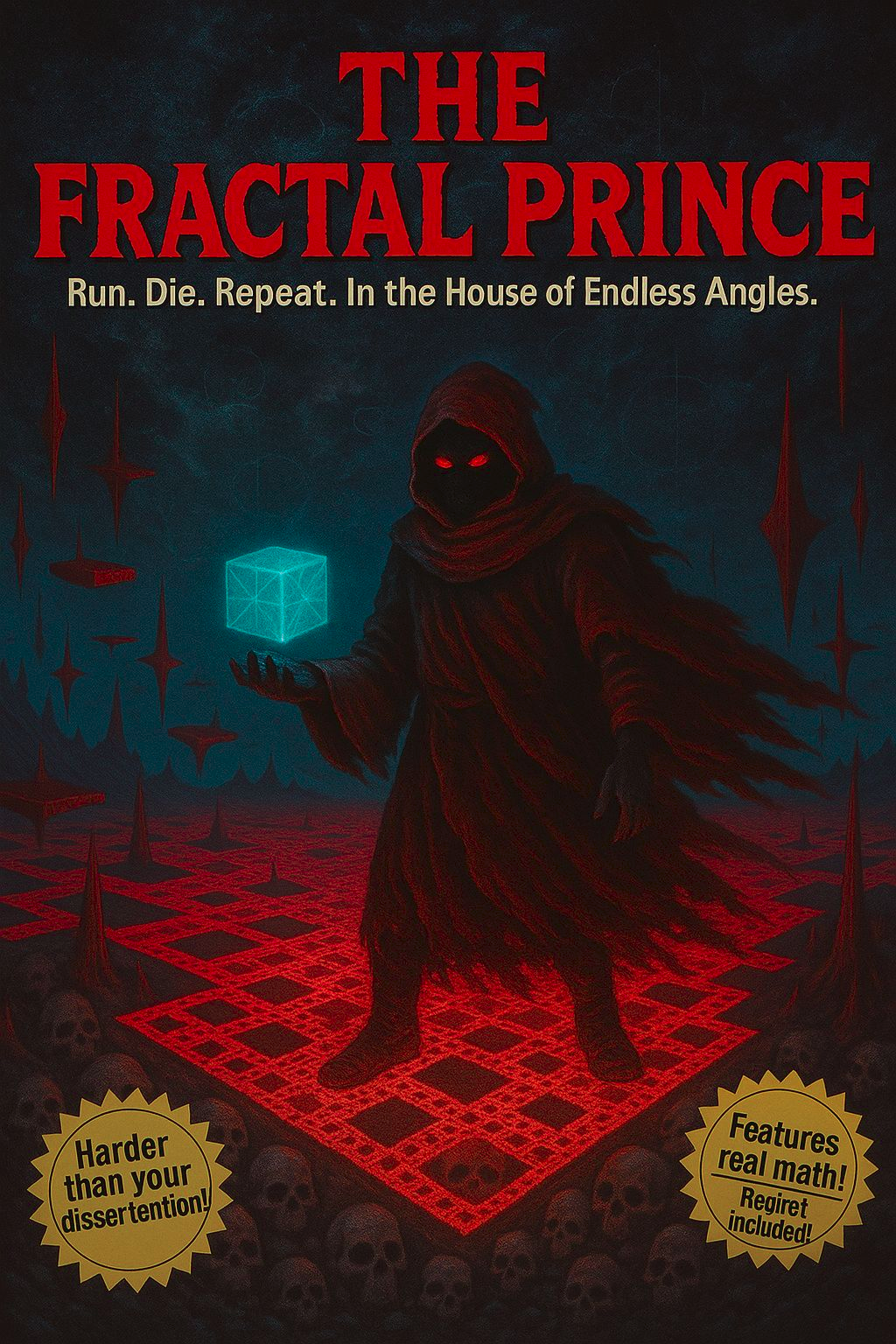
A math-core platformer built on Sierpiński triangle geometry. Custom collision detection, original physics response, procedural level structure — and an original soundtrack. No engine. Just code.
- —Collision detection and response written without a physics library
- —Level geometry derived from Sierpiński triangle recursion
- —Original soundtrack — composed and mixed in-house
No engines. No templates. Physics, rendering, and game logic written from scratch.
Open source
I build my own tools.
Most developers use whatever's already there. I write Rust CLIs and systems when the existing options aren't good enough — which tells you something about how I'll approach your product.
Yggdrasil
v0.2.4Flattens an entire codebase into a structured markdown artifact for LLM ingestion. Reduces context fragmentation in real development workflows.
Membrane
v0.2.0YAML-based knowledge management for evolving research artifacts. No rigid schema, no database dependency.
Fur
v1.0.0Version-controlled AI chat history with thought forking. What git is to code, Fur is to conversations with LLMs.
Elaine
v0.4.0Deterministic LaTeX bibliography generation. Built to eliminate failure-prone citation managers in research environments.
Systems That Get Better Over Time
Build. Measure.
Improve. Repeat.
I build systems that improve themselves through use. Tools, workflows, and feedback loops that reduce thinking cost and compound over time.




Applied R&D
The technical depth behind the product work. I don't just use ML tools — I've built neural architectures, time series systems, and forecasting libraries from scratch. That's what makes the difference between a developer who integrates AI and one who understands it.
Neural forecasting
Built and deployed neural forecasting models (N-BEATS, Time2Vec) in a central banking environment. Hyperparameter optimization, time series architecture, production pipelines.
Neural network architecture
Implemented N-BEATS, Kolmogorov-Arnold Networks, Time2Vec, and Non-Local Blocks in PyTorch. Published open-source implementations used by other researchers.
AI-native tooling
Designed Rust infrastructure for LLM-integrated workflows — context management, codebase flattening, trace-first execution. Built for production stability, not demos.
Crystal growth & anomalous diffusion
PhD research in semiconductor crystal growth and non-Fickian transport modeling. Monte Carlo simulation, fractional diffusion, MATLAB and Python.
What I Work With
Technologies and domains used on real projects.
Machine Learning & Research
- —Time series forecasting and nowcasting
- —High-dimensional variable selection
- —PyTorch, Keras, scikit-learn
- —Neural architecture implementation
Systems & Developer Tooling
- —CLI development in Rust
- —LLM context and workflow management
- —Codebase flattening and AI artifact generation
- —Trace-first execution infrastructure
Web & Full-Stack
- —Next.js, React, TypeScript
- —Full-stack deployment and commerce
- —Canvas-based game and simulation engines
- —Payment integration and production storefronts
Available for new projects
Got a product to build?
Storefronts, platforms, internal tools, automation, ML integration. If it needs to look sharp and function reliably — whether you're starting from scratch or fixing what isn't working — reach out.
I typically work on
- —E-commerce storefronts
- —Booking & scheduling platforms
- —Internal tools & automation
- —Data dashboards & ML pipelines
- —MVP builds (idea → production)
Need a website?
I design and build full-stack sites that look premium and convert — storefronts, landing pages, booking systems. Fixed price, source code included.
See Studio & PricingHow I engage: I respond to serious inquiries within 24h. First conversation is a scoping call — no proposal until I understand the problem.
© Andrew R. Garcia · Full-stack product engineer · Available Worldwide